Home
English

WHERE IT IS
Piazza Armerina is a town of 20,000 inhabitants in the province of Enna, in the heart of Sicily.


WHY IT IS A UNESCO SITE…
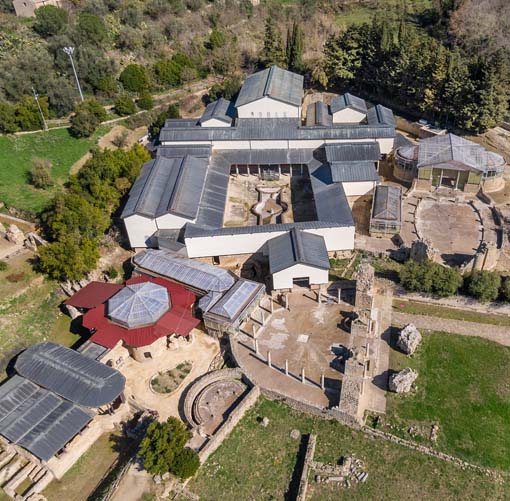
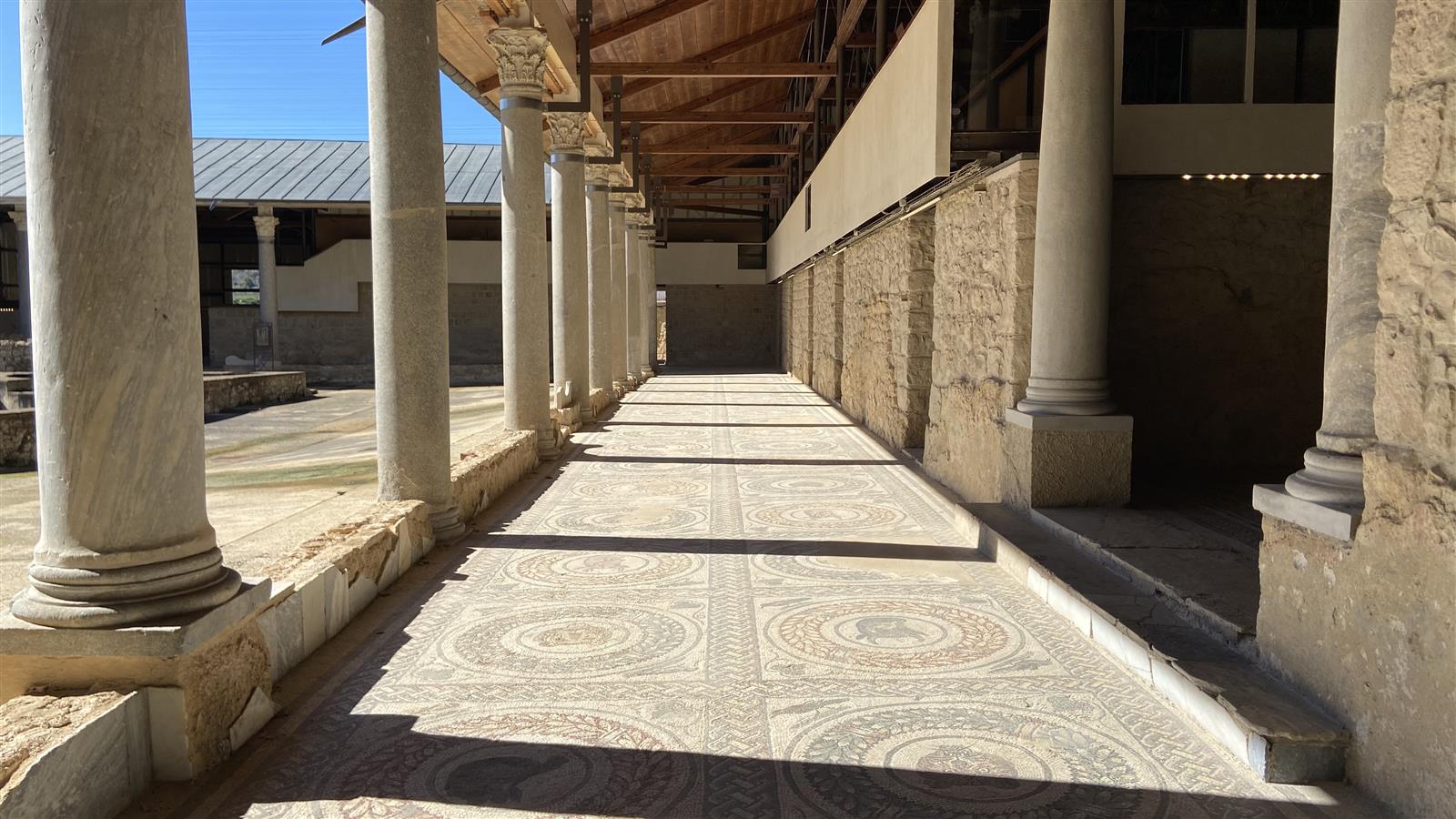
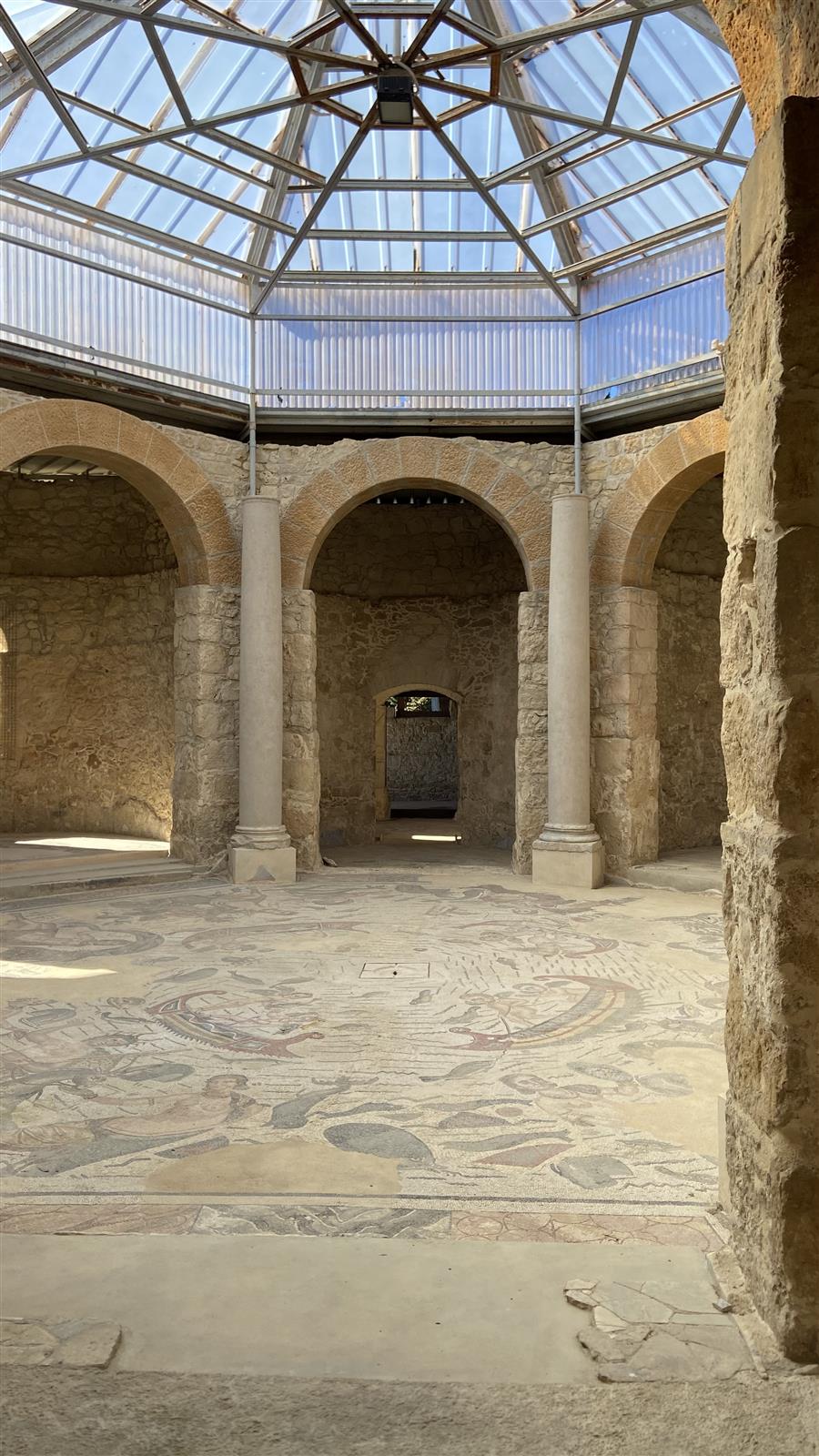
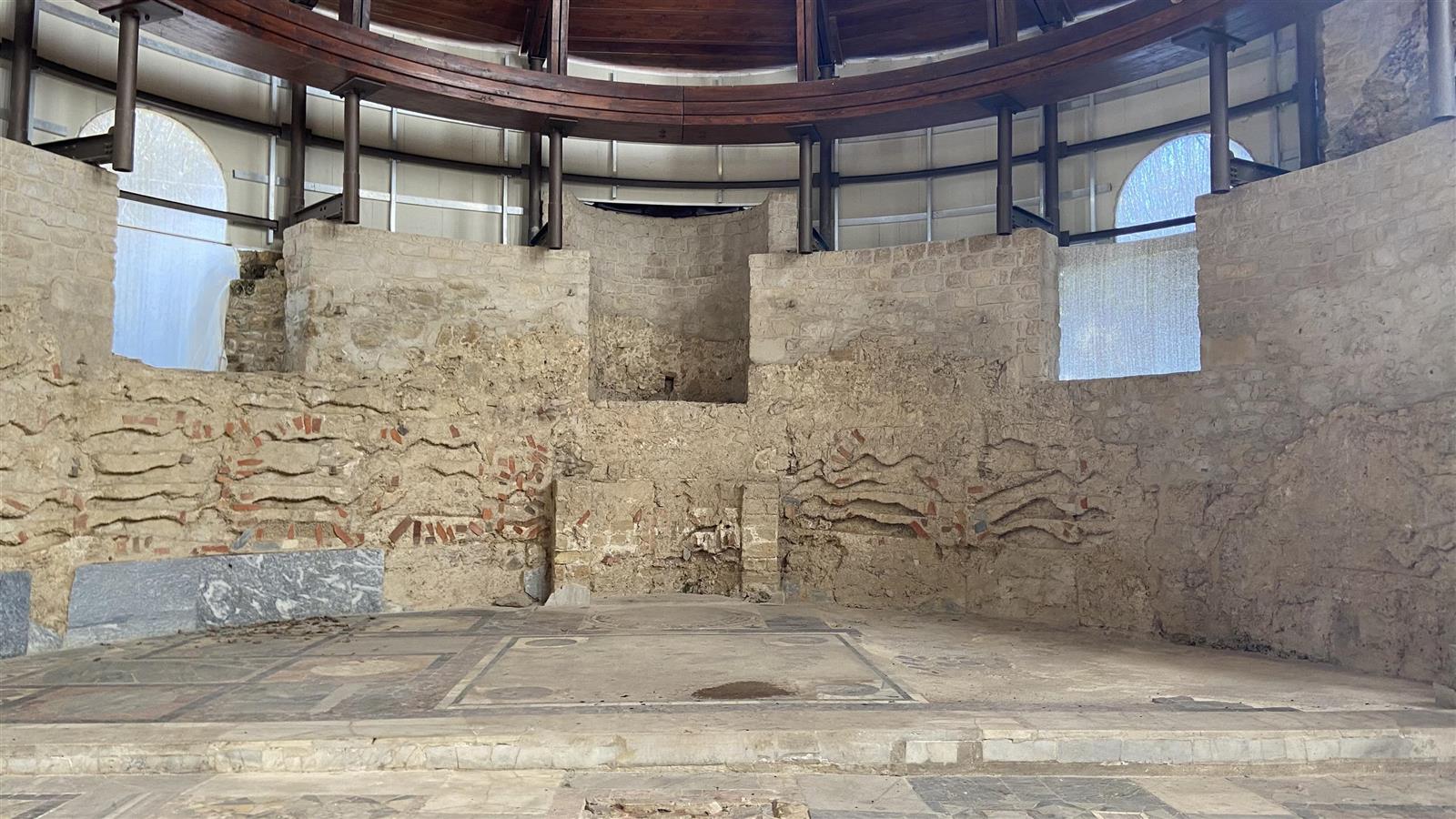
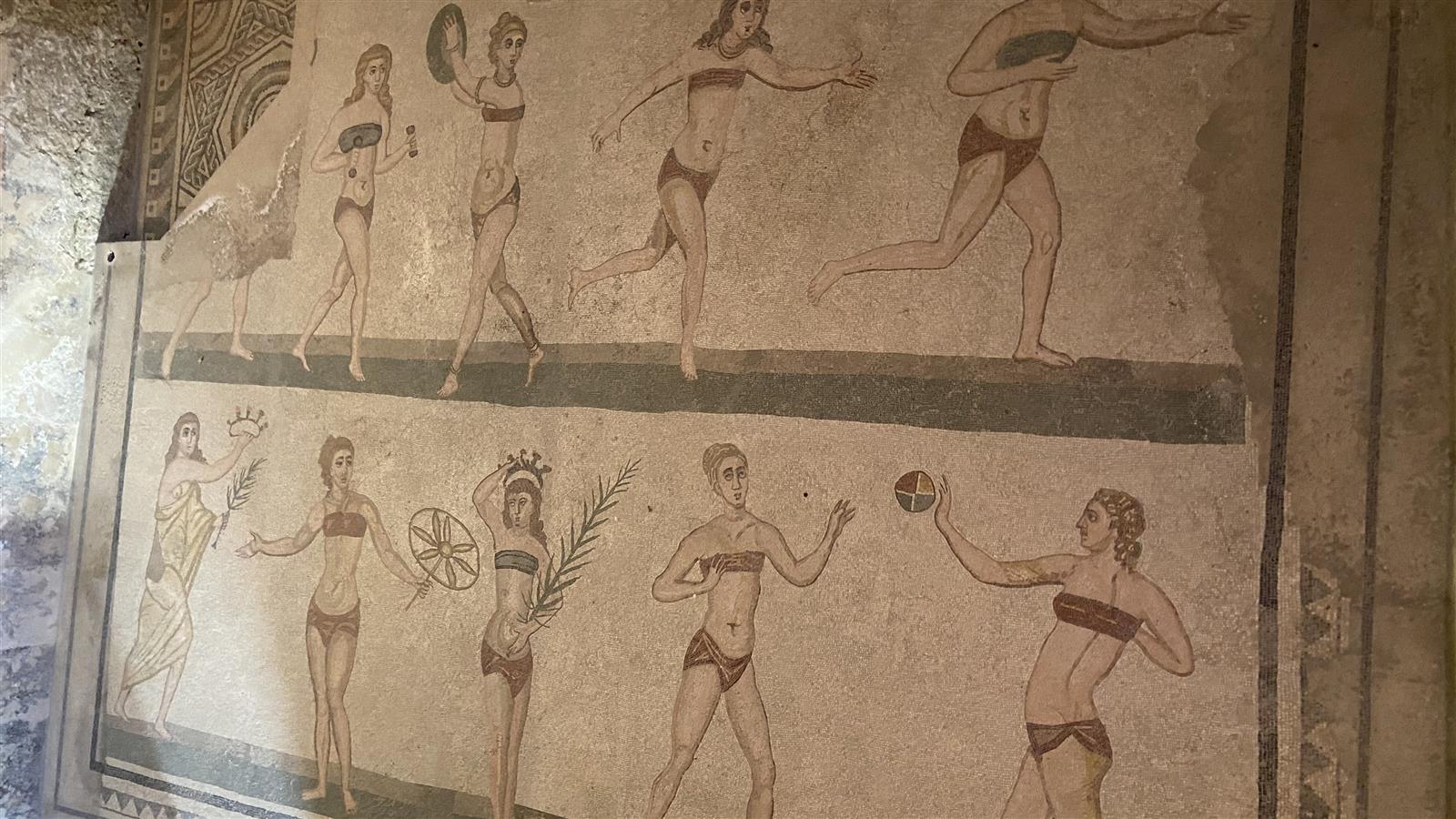
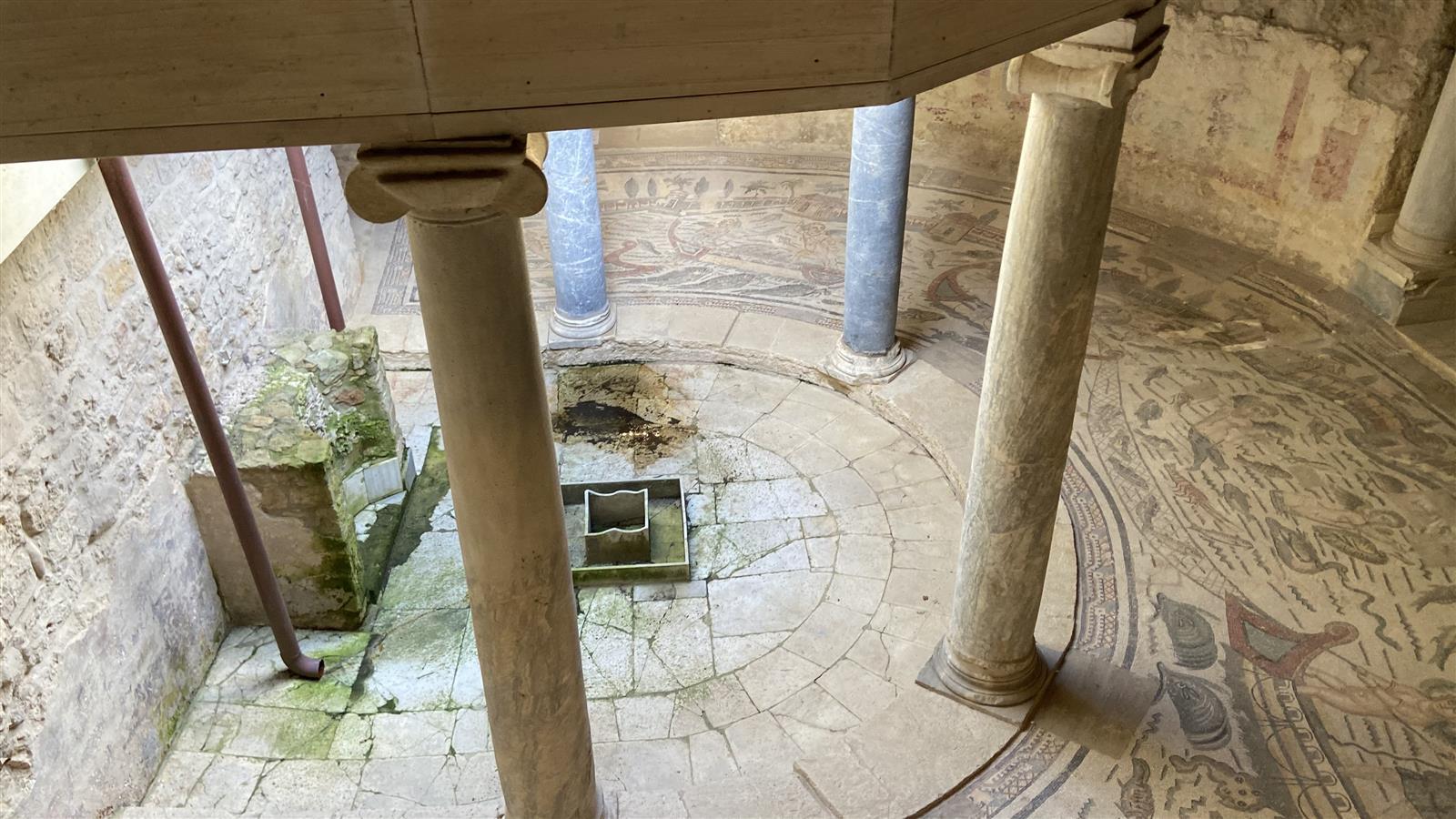
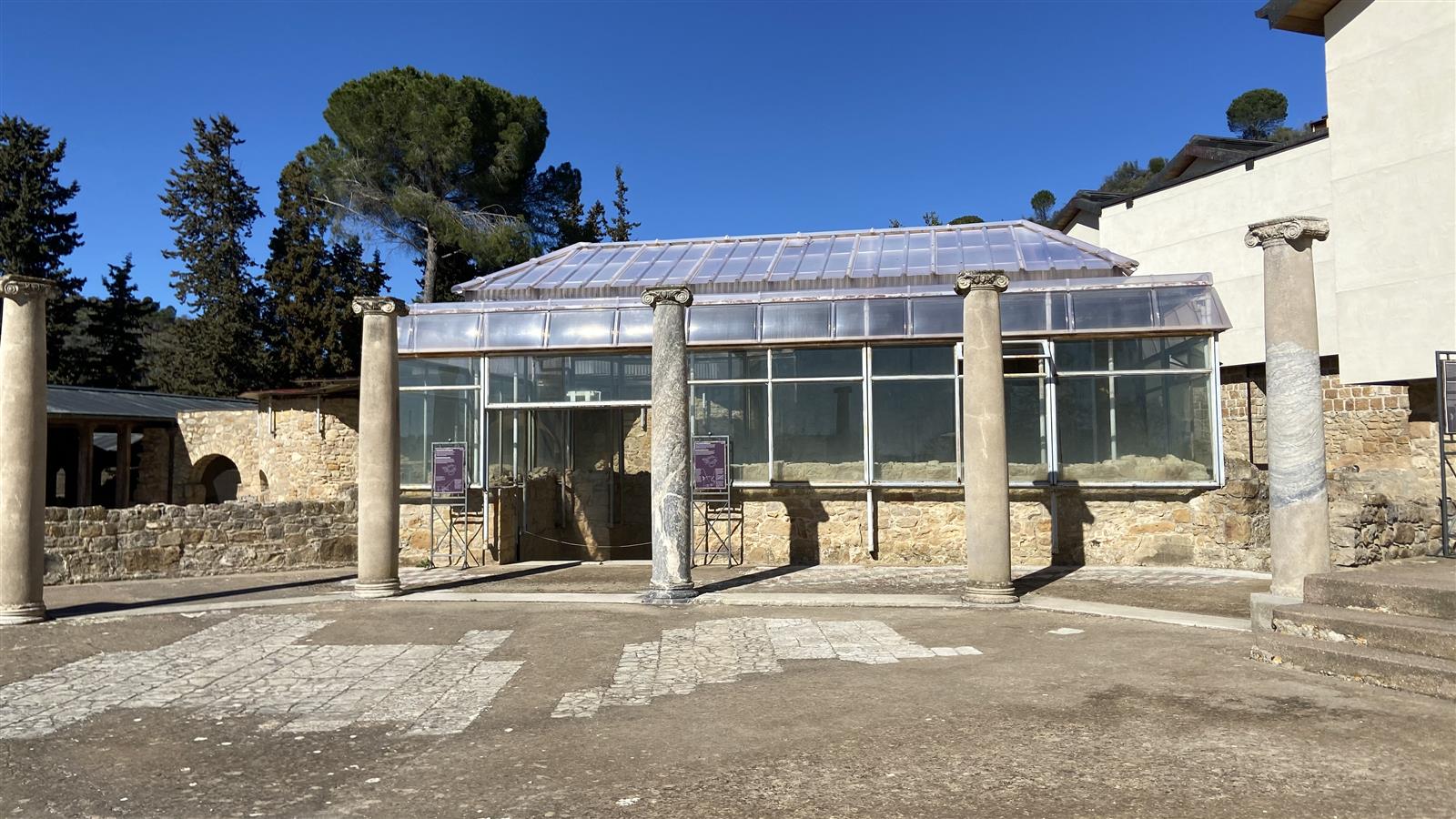
To be precise, it was the Roman Villa at the Casale in Piazza Armerina, in the province of Enna that aroused the interest of UNESCO in 1997. The Villa del Casale in Piazza Armerina is a sublime example of a luxurious Roman villa, that illustrates the social and economic structures of the time.
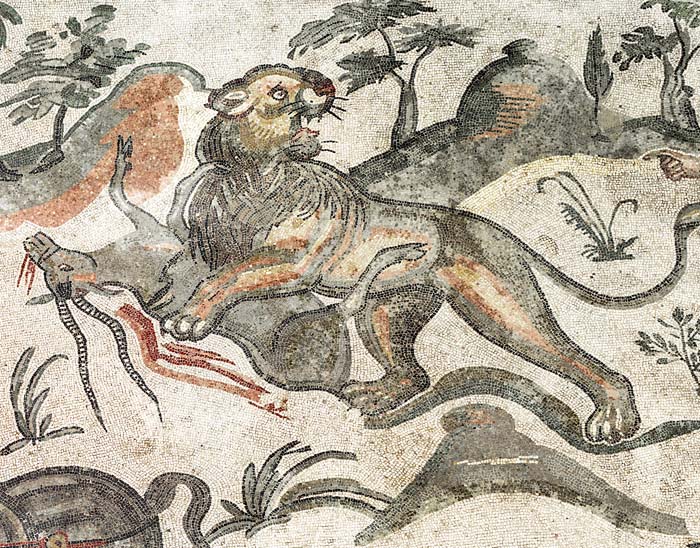
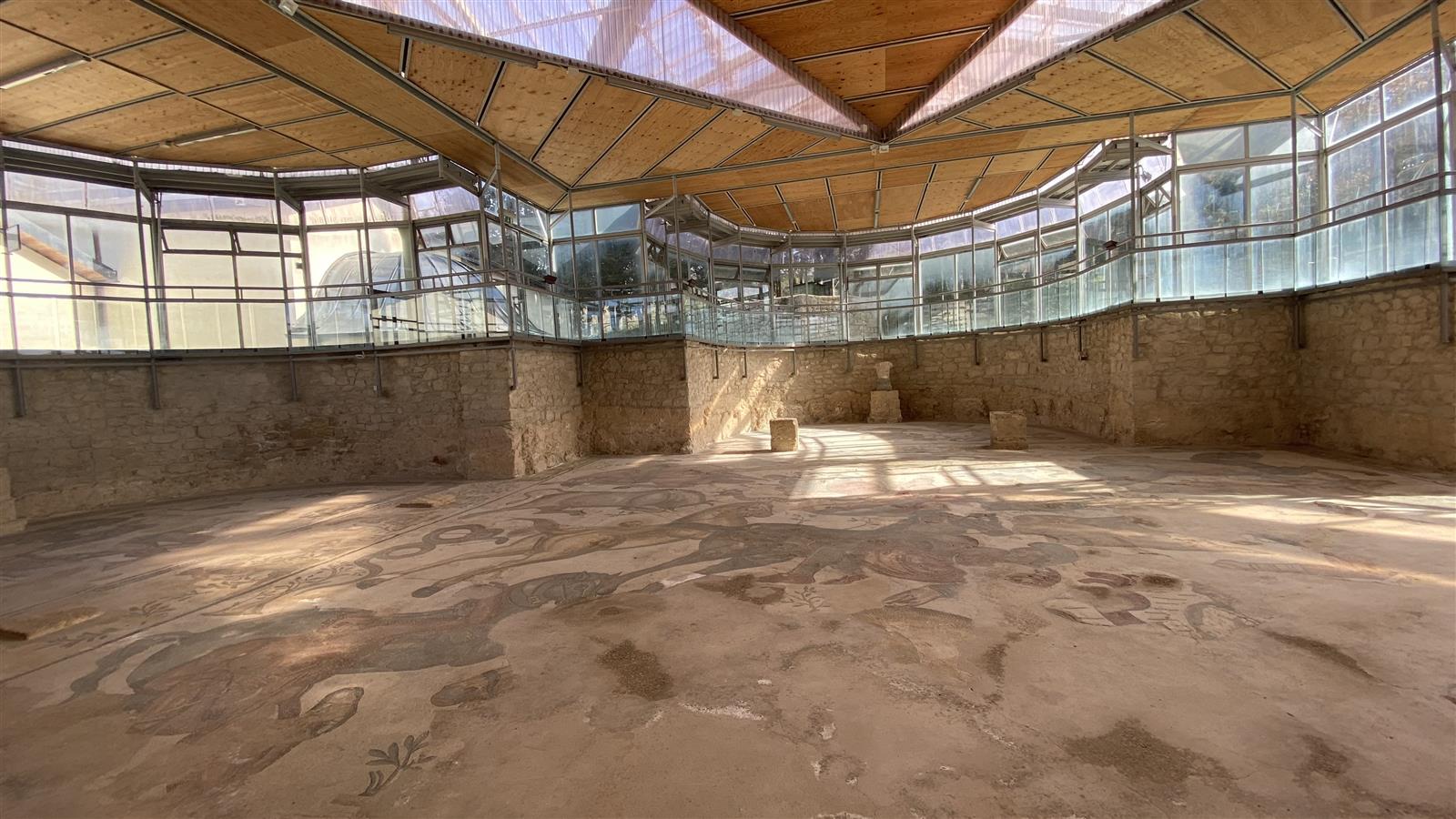
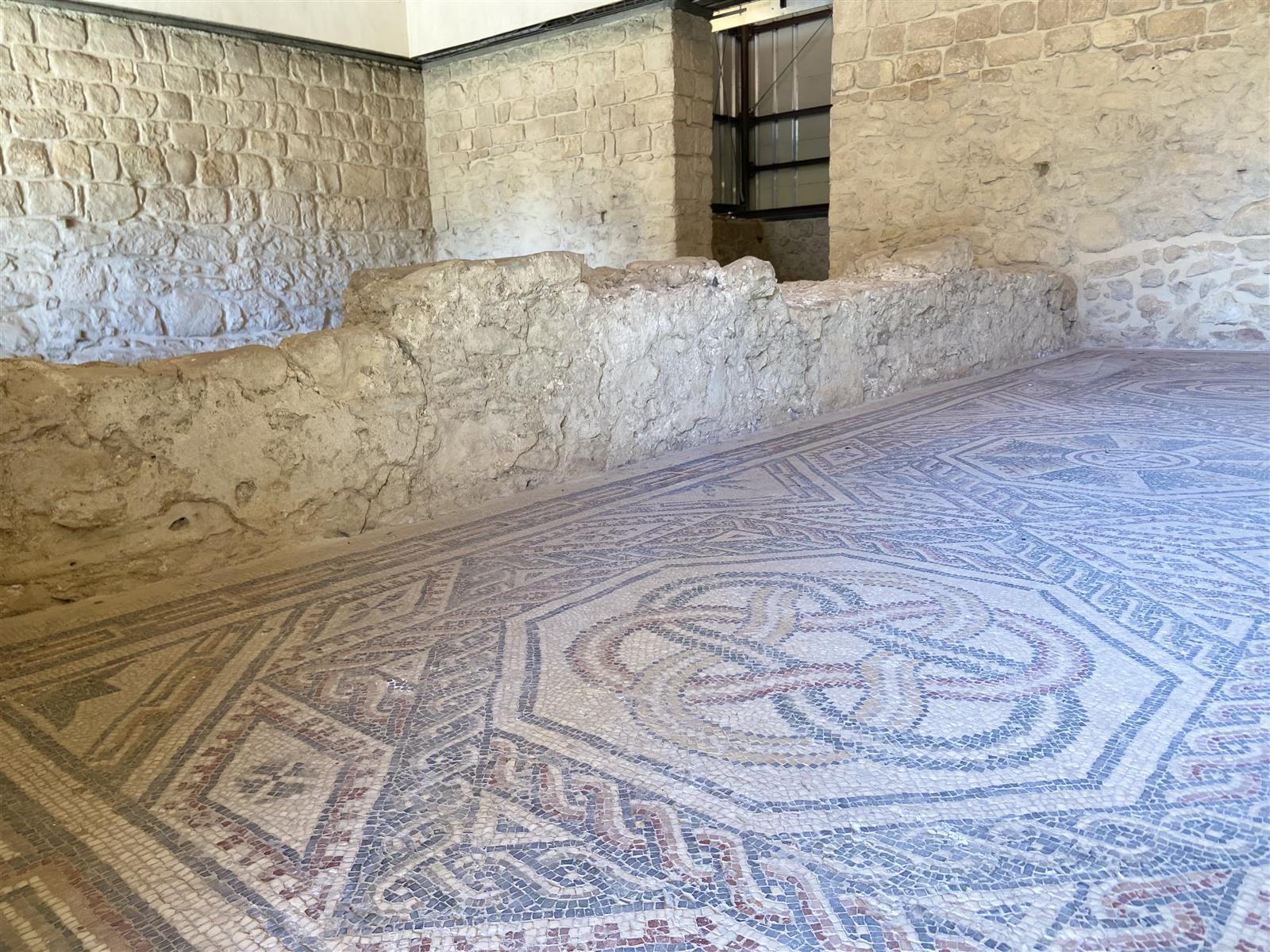
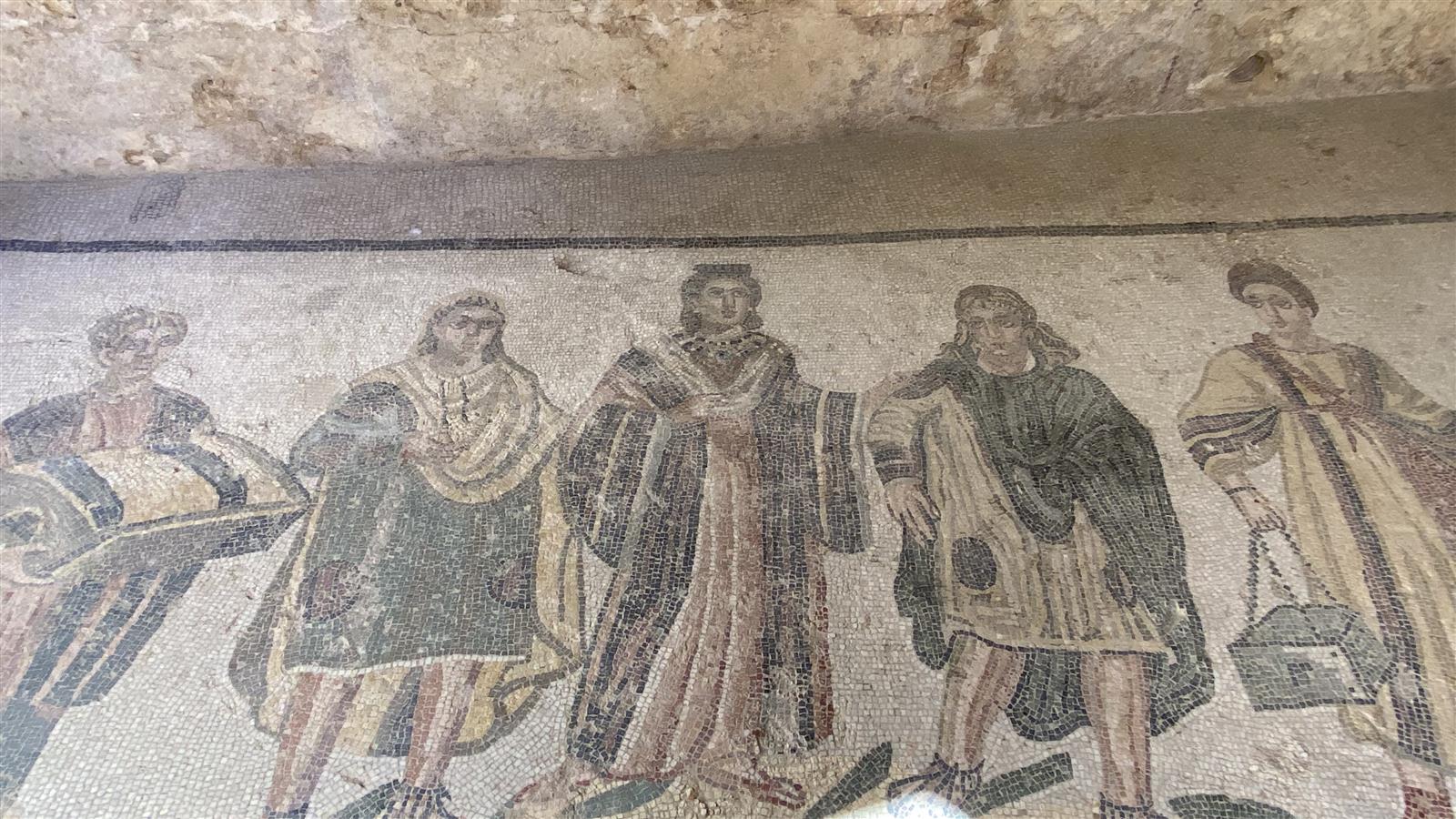
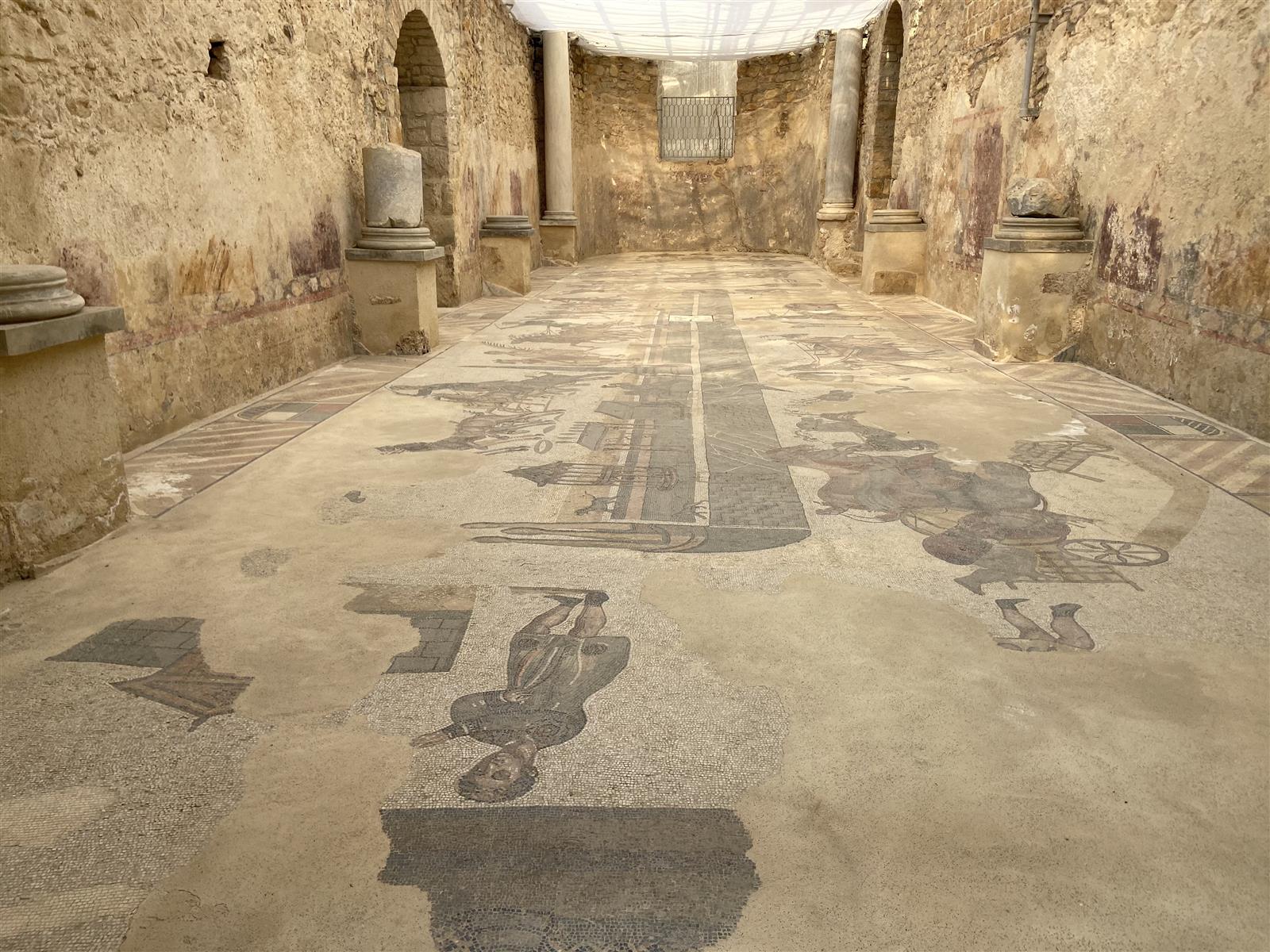
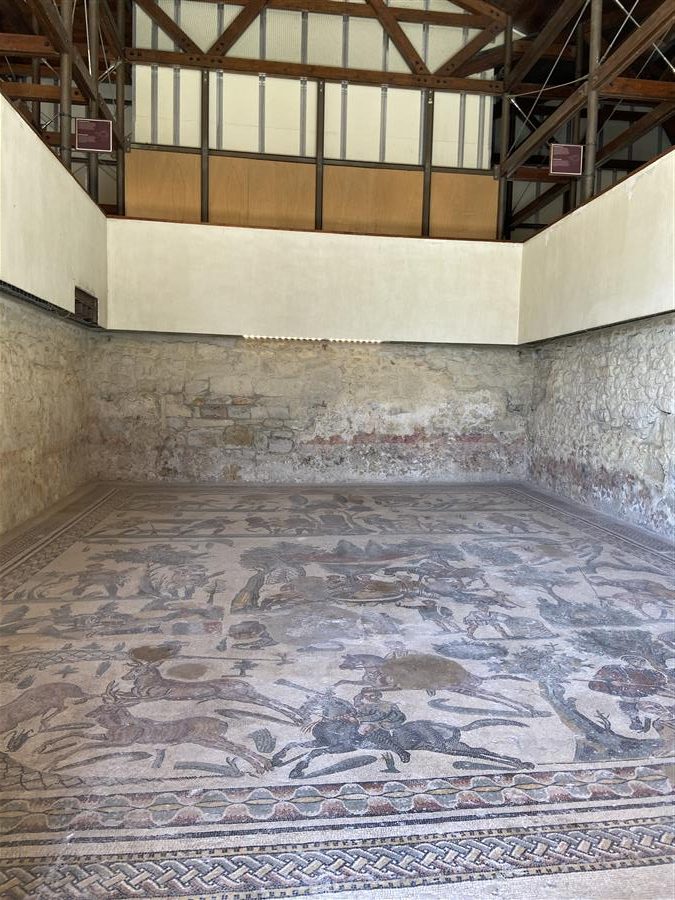
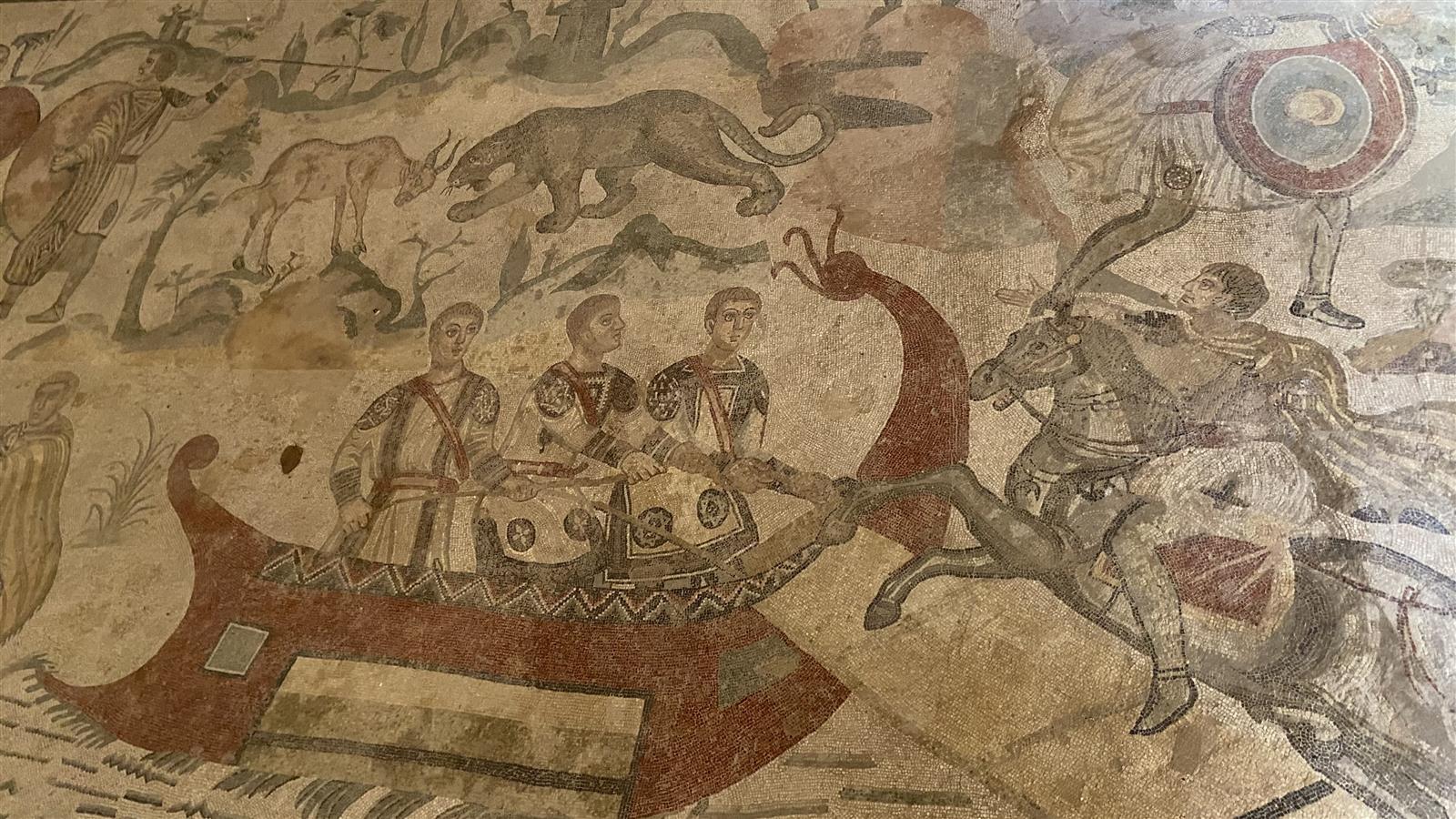
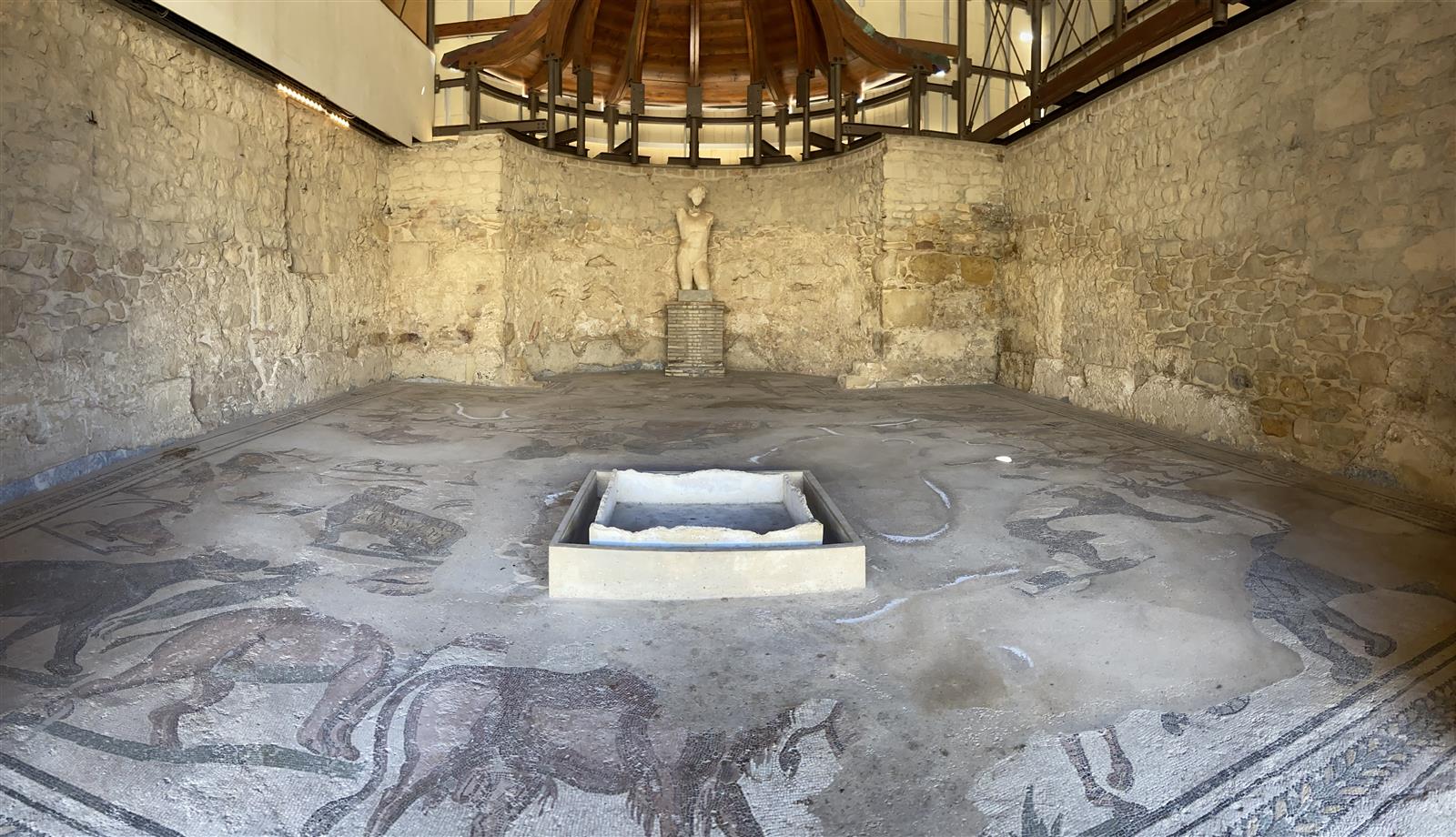
The mosaics that decorate the villa are what make it so particular; their artistic quality and the uniqueness of their vastness render them exceptional works. In order to protect them, the UNESCO Committee requested that a report on the conservation and management of the place by drawn up; in particular, they asked that climatic conditions in the structures that protect them be monitored as well as their impact on the archaeological findings.

ONCE UPON A TIME
Before being called Piazza Armerina, the city was simply known as Piazza. Armerina was added in 1862. Its history dates back to the time of the Normans, but its land was inhabited from prehistoric times, as is clear from archaeological findings in Montagna di Marzo, an important archaeological site from the Greek and Roman period, just a few kilometres North-West of Piazza Armerina.


WHY YOU SHOULD VISIT
Charles V defined it as an “extremely opulent city”. The king, clearly wanted to underline the splendour that the city enjoyed back in Roman times. That undoubtedly prosperous period is today represented in the Villa del Casale, with its magnificent mosaic floors, famous throughout the world. Piazza Armerina is also a wonderful place to enjoy a relaxing holiday with around 20 thousand hectares of forest land that mitigates the climate during the hot summer days, making it an ideal holiday destination.

DESCRIPTION
Piazza Armerina is the perfect place to visit in Sicily. Its geographical location in the centre of the island allows one to reach Palermo, Agrigento, Taormina and Siracusa in a short period of time. Sicily’s coastline and beaches to the south are only twenty minutes drive away. The monuments, churches, antique buildings and Sicilian baroque that decorates them, makes Piazza Armerina a magnificent city of art.
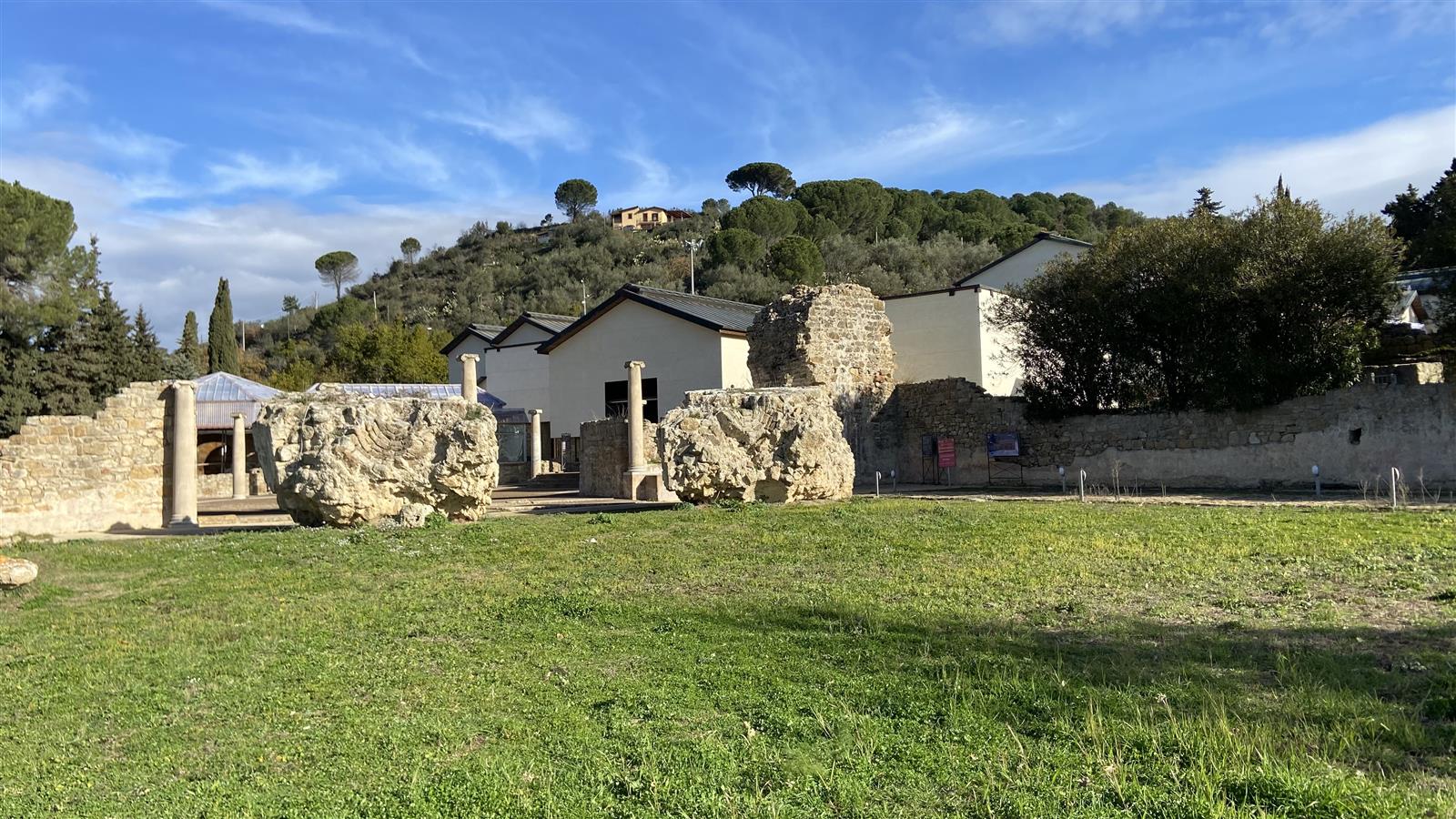
The stone used, that is both resistant and difficult to work with, has guaranteed a perfect preservation of the entire city’s artistic heritage and visitors, strolling through the streets in the old part of town, can relive the ancient splendours of this place, emerging themselves fully in an atmosphere thick with fascination and hints for cultural refection. The most interesting place is undoubtedly the “Roman Villa” on the contrada Casale, dating back to the end of the third century A.D. Uncovered at the end of the 1800’s, then brought fully to the surface half way through the twentieth century, the villa’s main attraction are the magnificent Roman mosaics. This is a kind of mosaic whose tesseras are very small. The effect is spectacular because the images are particularly detailed and rich in colours and shades.

POINTS OF INTEREST

Who wanted Villa del Casale? Who lived there? Who made use of it? Questions that are still mostly unanswered even today. Experts have been unable to clearly identify the owner or person who commissioned the construction of the Roman villa at Casale.
Two experts, Paolo Orsi and Gino Vinicio Gentili, hypothesised that it was an imperial villa and attributed it to the Emperor Massimiano Erculeo, while other experts thought it was for a vast landowner. Finally, there were those who imagined that it was home to a collector of the “decimae” and those who thought it was a house of pleasure or more simply a brothel.


USEFUL INFORMATION
The Roman Villa at Casale is open everyday (including holidays) from 10.00 to 16.00. In fact, it takes about an hour to visit all of its 48 rooms. During the winter months, entrance is allowed up to 16.00 and it is also possible to book a guide in any language who will accompany you around the interior. By calling +39.3392657640, you can contact an authorised guide directly, the only ones who can access the Villa. The Villa has plenty of parking space for motorbikes, cars and buses. You can also make use of the town’s transport system that will take you from Piazza Armerina to the Villa, though only from April to September.